Understanding Attachment Trauma
/This article was written by The Palmeira Practice owner, Shelley Holland
What do we mean by attachment trauma
So much of what troubles us as adults has roots in our childhood and upbringing. Perhaps you grew up with a parent whose moods you had to track and manage, warmth one day, distance or irritation the next. Maybe a parent was there in body but not emotionally present, so you learned to feel alone and isolated. Or maybe you absorbed, without anyone saying anything explicitly, that needing things from other people wasn't safe, or that you had to earn love by being a certain way.
This is what we mean by attachment trauma. Sometimes we might call it an attachment injury because it’s a wound that can last a long time and is easily broken open time and time again. Families that look entirely functional from the outside can still leave a child feeling something was missing or unsteady. The determining factor isn't really the facts of what happened, it's what a child concluded from it, what they learnt about themselves, about other people, and about whether closeness can be trusted.
How it plays out later in life
These early conclusions don't stay in childhood. We carry them with us into adulthood like an invisible backpack of emotional memory that comes to life when as adults we react when someone leans in or pulls back. We carry it with us in the running commentary we carry about our own worth, and in bursts of anxiety or flatness that seem to come from nowhere.
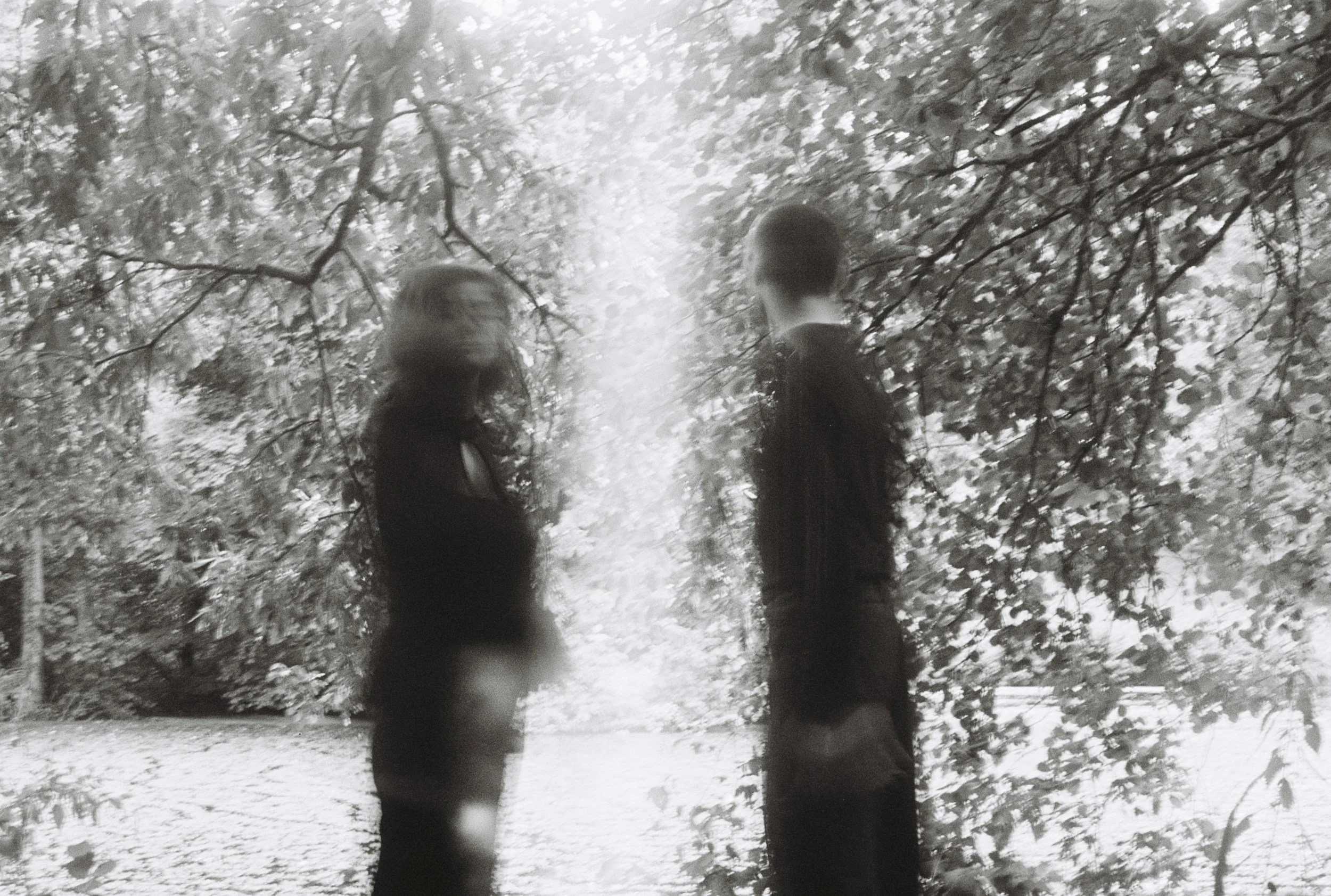
When we are working with your childhood wounds, attachment theory gives us a useful lens to understand what has happened and what to do next. We do not seek to label or judge, but to understand the patterns that have been built over time, and to recognise and understand what they were protecting against. Therapy is a chance to look at what patterns are helpful and what ones you may want to gradually leave behind because they no longer serve you.
The therapeutic relationship itself does a lot of this work. It can become a place to experience connection differently, more steady, more honest, safer than what came before. That kind of change tends to happen slowly, and because it happens slowly it is more likely to stick and stay with you.
How I approach this work
Because this is early trauma work, we don't rush toward the deepest material straightaway. The first task is building enough safety and stability within the therapy itself, a relationship you can trust, before we start exploring the historical attachment injuries you have experienced.
We will work with shame, guilt, or resentment that may have been held, quite understandably, for a long time, and that needs a place to find its voice. I tend to work open-endedly with attachment injury. Patterns that have taken decades take time to resolve, and we will go at the pace that suits you best.
If any of this resonates with you, you are welcome to get in touch with Shelley via The Palmeira Practice contact form.